
Part 2: Ovulation Chart Examples & Understanding BBT Shifts
Ovulation doesn’t always follow the textbook—and if you’ve ever stared at your Basal Body Temperature (BBT) chart wondering what on earth is happening, you’re not alone. In Part 2 of our “Help Please! Am I Ovulating?” series, we look at real-life BBT chart examples to show how ovulation can shift, stall, or take a few tries before it actually happens. These visual patterns help you understand your cycle more deeply, recognise what’s normal, and feel more confident tracking your fertile window.
Here are some other BTT chart examples following on from our “Help Please Am I Ovulating” blog. As you can see in Part 1, ovulation isn’t always the same each month and can be tricky to work out when you’re getting started with charting.

The body tried to ovulate on day 14 but temps came down to pre-ovulation level.
Successful ovulation on day 18 when temps jumped up and stayed up!
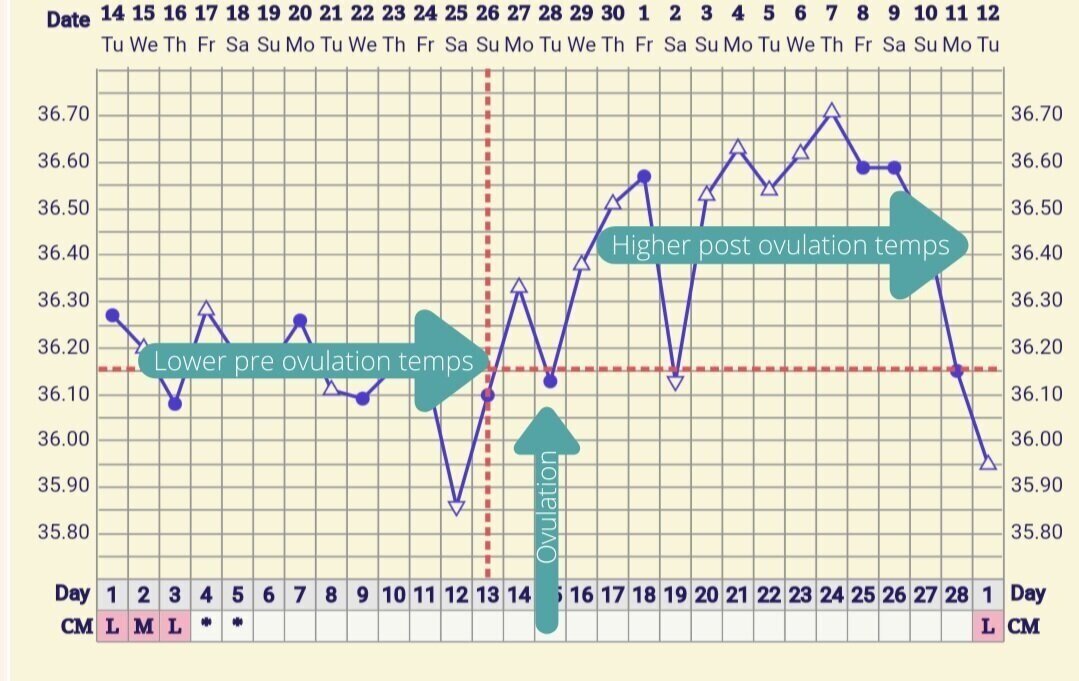
The body tried to ovulate on day 13 but didn't get it done as temps came down to pre ovulation level. Body successfully ovulated on day 15!
(with 3+ days of high temps after day 15 to confirm ovulation happened before day 19)
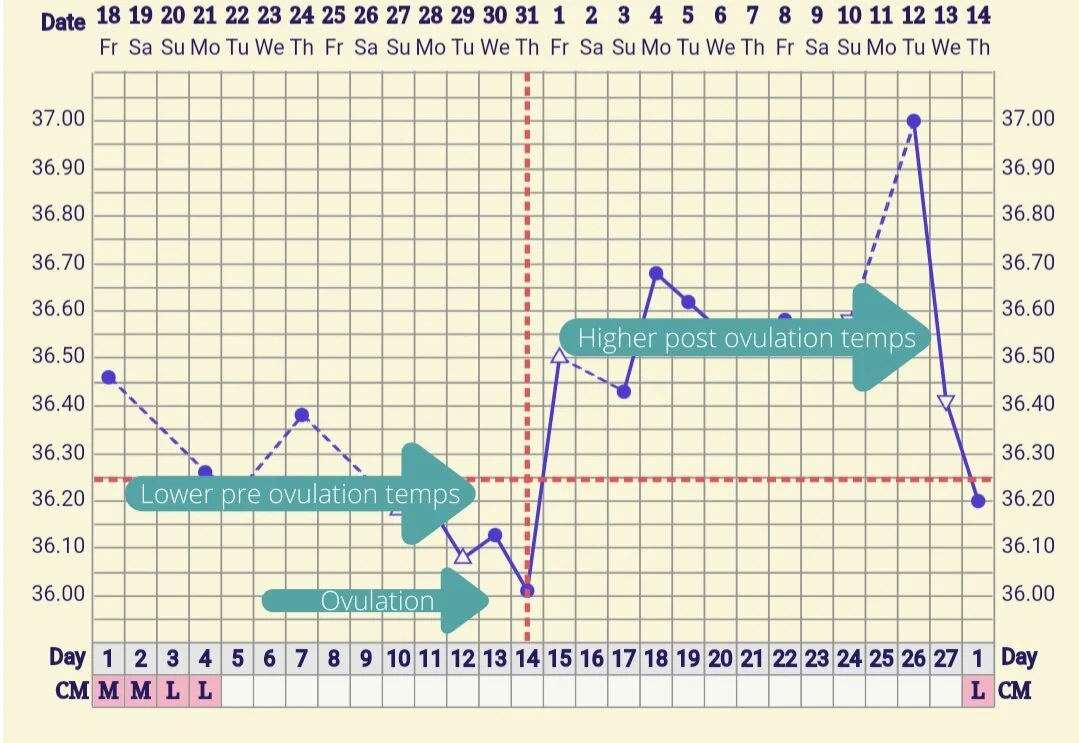
BIG ovulation jump on day 14
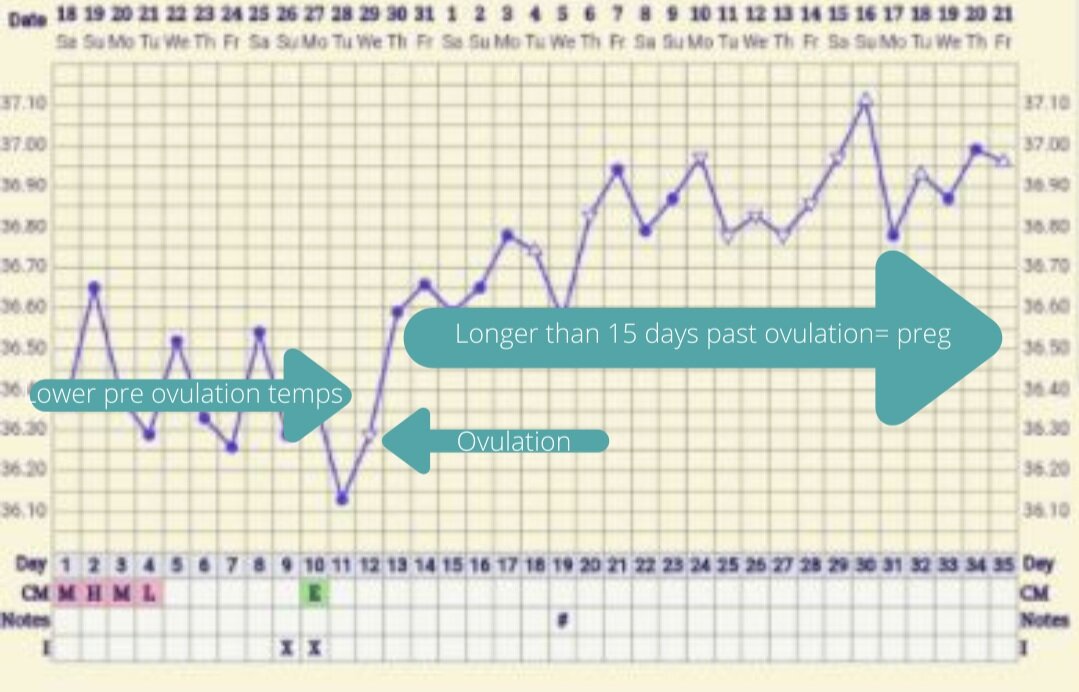
Sex (X) day 10, ovulation day 12
If you get more than 15 days after ovulation - you're pregnant!!
If you’re exploring your cycle, trying to conceive, or navigating confusing ovulation symptoms, you’re not expected to figure it out alone. Our Fertility and Women’s Health pages share more guidance to help you understand your body with clarity and confidence. And if you’d love personalised support, gentle treatments, or help interpreting your charts, we’re here for you.
Book an appointment and let’s support your hormones, wellbeing, and fertility—beautifully aligned with what your body needs.